
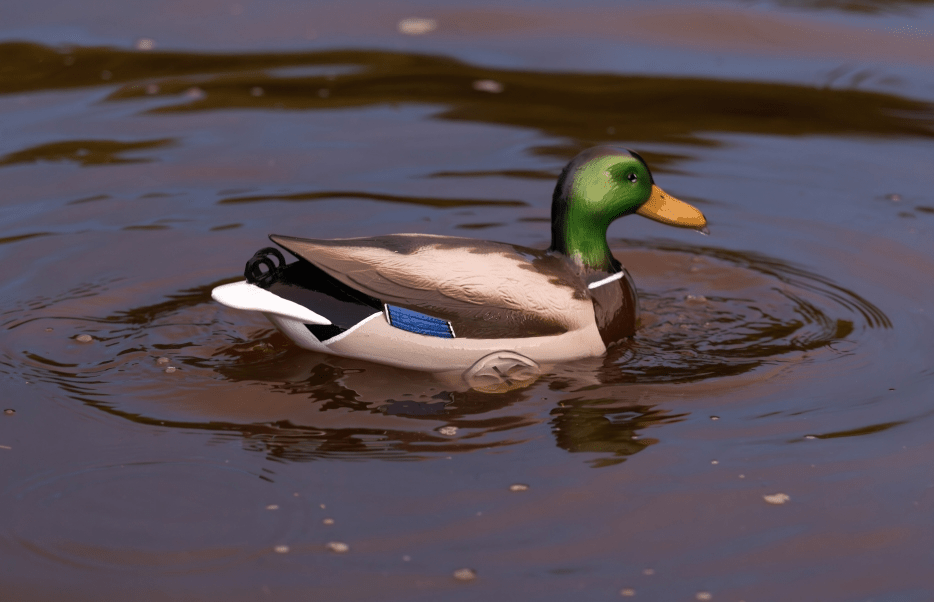
Waterfowl don't hunt in homogeneous species flocks—they feed, rest, and migrate in diverse, multi-species communities. In nature, mallards intermingle confidently alongside pintails, teal, wigeon, and gadwall, while Canada geese share feeding areas peacefully with ducks. Professional waterfowl hunters recognize this fundamental reality: mixed-species decoy spreads significantly outperform single-species setups by replicating the natural flock dynamics that attract waterfowl confidence.
The strategic integration of goose decoys into duck spreads represents one of waterfowl hunting's most effective yet underutilized techniques. When properly positioned, goose decoys function simultaneously as primary attractants for geese and confidence decoys convincing ducks that the setup is safe. This comprehensive guide explores the science behind mixed-species success, species-specific decoy selection, and professional positioning strategies maximizing your spread's effectiveness across multiple waterfowl species.
The Psychology of Mixed-Species Attractions
Understanding waterfowl behavior unlocks the effectiveness of mixed-species spreads. In the wild, different duck species naturally intermingle because they serve complementary ecological roles and instinctively recognize safety in diversity.
Mallard Dominance Creates Confidence
Mallards represent the dominant species in most waterfowl ecosystems, and their aggressive, confident feeding behavior naturally attracts other species seeking safety through association. By placing mallard decoys at the heart of your spread and positioning smaller species around them, you simulate this natural social structure, dramatically increasing the likelihood that visiting waterfowl will commit to your setup.
Geese as Confidence Cues
Ducks instinctively associate larger, aggressive geese with predator deterrent. From an evolutionary perspective, geese have superior visibility, advanced warning systems, and aggressive defense capabilities—advantages smaller ducks exploit by feeding near geese. This biological reality translates directly to hunting success: ducks observing geese in your decoy spread perceive the area as safe, significantly increasing commitment to landing.
Research conducted across multiple waterfowl habitats consistently demonstrates that hunters shooting over spreads incorporating goose decoys harvest ducks at significantly higher rates than those using duck-only setups.
Building Your Core Spread: Mallard Foundation
Every effective mixed-species spread begins with a robust mallard decoy foundation.
Quantity and Proportion
Mallard decoys should comprise 60-70% of your total spread. In a 40-decoy duck spread, this means 24-28 mallard decoys anchoring your setup. This dominance isn't aesthetic—it's behavioral psychology reflecting natural waterfowl communities where mallards numerically predominate.
Strategic Positioning
Place mallard decoys throughout the spread's core, creating a confident center around which other species naturally gather. Avoid clustering all mallards in one section; instead, distribute them throughout your setup so incoming birds encounter mallards throughout their approach. This distribution creates the psychological impression of an established, secure feeding flock.
Species Diversity: The Secondary Layers
Once your mallard foundation is established, strategic secondary species create visual depth and realism.
Pintails: The High-Visibility Contributors
Male pintails, with their distinctive white chests and elongated silhouettes, serve as high-visibility markers drawing attention from distant birds. Position 4-6 pintail decoys on your spread's outer edges where their distinctive coloring maximizes visibility. During bright mornings or over open water, pintails often convert passing birds to committed approaches.
Teal: The Color and Contrast Specialists
Greenwing and cinnamon teal add color contrast and realistic diversity to spreads. Importantly, teal naturally tend to land with teal decoys, creating dedicated landing areas within your larger spread. Position a small pocket (3-5 decoys) of teal slightly separated from your main mallard cluster—this pocket will attract incoming teal without displacing other species.
Wigeon and Shovelers: The Realistic Finishers
Wigeon (cottontops) and shovelers with their distinctive bright coloring add authentic realism often separating successful spreads from mediocre ones. Include 3-5 of each species positioned throughout your setup to create the visual impression of natural mixed-flock dynamics.
Goose Integration: Confidence and Attraction Combined
Strategic goose decoy placement transforms your spread from duck-focused to genuinely mixed-species effective.
Goose Decoy Quantities
Include 4-6 Canada goose decoys in most spreads, or if hunting regions where snow geese or specklebellies predominate, substitute regionally appropriate species. These quantities provide sufficient visibility and confidence signaling without overcrowding your spread.
Positioning Principles
Place goose decoys on the upwind side of your spread, slightly separated from duck decoys. This separation mimics natural behavior where geese and ducks share areas but maintain distinct groupings. Position geese in deeper water with duck decoys closer to shore—this depth variation adds realism and creates natural funneling toward your landing zones.
Alternatively, position goose decoys as a visual "fence" on one or both sides of your spread, creating a boundary that naturally funnels ducks toward open landing areas where you maintain shooting positions. This strategic placement simultaneously attracts geese while directing duck approaches into optimal shooting zones.
Spread Configuration: Environment-Specific Strategies
Open Water Spreads
Deploy 50-100 decoys in U or J formations extending visible distance, creating large footprints visible from considerable distances. Distribute mallards throughout, separate teal into dedicated pockets, position pintails on edges for visibility, and place geese 10-15 yards from duck decoys. This configuration accommodates multiple landing zones while maintaining visual separation between species.
Field Spreads
Flooded agricultural fields provide the ideal habitat for mixed-species integration. Place geese in deeper water sections with duck decoys in shallower areas. Cluster decoys in family-group formations separated by species, creating the appearance of birds naturally resting and feeding. Use 20-40 decoys total arranged in V or U shapes creating natural approach corridors.
Marsh and Wetland Spreads
In confined marsh environments, 12-20 decoys effectively attract waterfowl when strategically positioned. Position decoys in small clusters (2-3 birds) separated by species, mimicking natural grouping behavior. Leave one small open pocket as designated landing zone.
Motion Integration in Mixed Spreads
Static decoys create minimal attraction compared to spreads incorporating strategic motion.
Spinner and Jerk Rigs
Spinning-wing decoys prove highly effective early season, drawing attention from considerable distances. However, waterfowl condition to spinning decoys throughout the season, making late-season spinner reliance counterproductive. Simple jerk rigs on pintail or mallard decoys create realistic rippling effects attracting cautious birds without the artificial appearance some spinners develop.
Strategic Goose Motion
Motion decoys designed for geese add realism—however, excessive motion spooks wary geese. Use subtle goose motion focusing on realistic feeding and head-movement simulation rather than aggressive animation.
Introducing Jahpoo: Professional-Grade Mixed-Species Decoys
Jahpoo
- Location: Austin, TX, USA
- Website: www.jahpoo.com
- Email: info@jahpoo.com
Service Area: Nationwide Shipping across the USA
Jahpoo's comprehensive decoy collection features species-specific designs enabling the professional mixed-species strategies detailed above. From realistic mallard floaters and pintail high-visibility designs through confident geese decoys, Jahpoo's selection enables hunters to build effective spreads replicating natural waterfowl communities.
Whether you're constructing open-water spreads with 50-100 decoys, field setups in flooded agriculture, or marsh spreads in confined wetlands, Jahpoo's diverse decoy inventory provides the species variety, realistic detailing, and functional quality enabling genuine mixed-species success.
Explore Jahpoo's professional waterfowl decoy collection and discover the species diversity transforming adequate spreads into genuinely effective mixed-species operations.
Frequently Asked Questions
Q: Will mixing duck and goose decoys actually improve my success?
A: Yes. Research consistently demonstrates that spreads incorporating both species outperform duck-only setups through confidence-building signals. Ducks recognize geese as safety indicators, significantly increasing landing commitment.
Q: How many geese should I include in a duck spread?
A: 4-6 Canada geese per 30-40 duck decoys is ideal. This ratio provides visibility and confidence signaling without overcrowding or overwhelming duck decoys.
Q: Should I separate duck and goose decoys completely?
A: Partial separation is ideal—place geese 10-15 yards from duck decoys, upwind when possible. This mimics natural behavior while maintaining visual unity. Complete separation is unnecessary and reduces the confidence-building benefits of proximity.
Q: What species mix works best?
A: Mallards should comprise 60-70% of duck decoys, with remaining portions divided between pintails (5-10%), teal (5-10%), wigeon, shovelers, and other regional species. This ratio creates realistic multi-species impressions.
Q: Do pintails really draw more birds than regular mallard decoys?
A: Yes. Pintails' distinctive white chests serve as high-visibility markers effective for drawing distant birds. Position 4-6 on spread edges for maximum visibility impact.
Q: Can I use excessive motion in mixed spreads?
A: No. While some motion helps, excessive motion—particularly in goose decoys—spooks wary birds. Use subtle jigging or simple jerk rigs rather than aggressive spinning.
Conclusion
Mixed-species decoy spreads represent waterfowl hunting's most effective, science-backed approach to consistently attracting diverse waterfowl populations. By understanding natural waterfowl community dynamics—mallard dominance, species intermixing, and goose confidence-building—hunters can construct spreads that genuinely replicate the flocking patterns drawing birds across migration routes.
Strategic goose integration, species diversity, and environment-appropriate configuration transform spreads from single-species traps into genuinely effective mixed-species operations. Jahpoo's professional waterfowl decoys provide the species variety and realistic detailing enabling these sophisticated strategies.
Invest in genuine mixed-species success. Explore Jahpoo's comprehensive decoy collection and transform your waterfowl hunting through proven, professional integration strategies.
0 comments