
There is a long-standing tradition in hunting camps across the country that dictates the only acceptable way to cook a wild duck is to cut the breast into cubes, wrap it in cheap bacon, smother it in cream cheese and jalapeños, and grill it until the meat reaches the consistency of a hockey puck.
This is a crime against waterfowl.
The bacon wrap is not a recipe. It is an apology. It is an admission that you do not know how to cook the meat you just harvested, so you are masking it with fat and salt. A canvasback or a mallard that has spent the last month feeding on wild celery or flooded rice is a premium protein. It should be treated with the same respect you would give a dry-aged ribeye.
The Myth of the Gamey Taste
The primary reason hunters overcook and over-season duck is the fear of the "gamey" taste. But gaminess is rarely an inherent quality of the bird. It is almost always a result of poor field care or improper cooking.
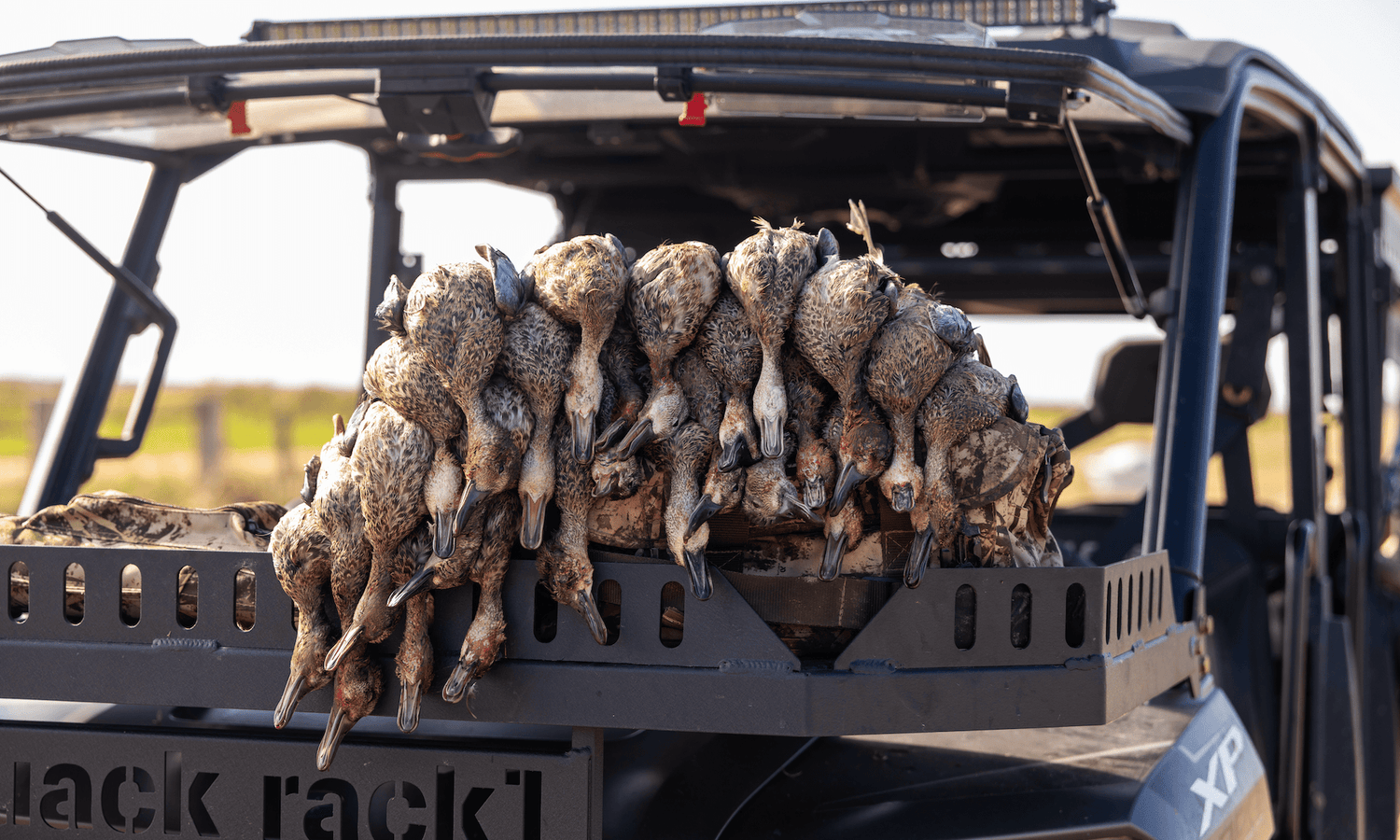
When a bird is harvested, the clock starts. The same hunter who spent good money on motion duck decoys to get those birds to commit will sometimes toss a limit into the back of a hot truck bed and leave them there until he finishes cleaning his gear and driving home. The meat is going to suffer. The best chefs in the wild game world will tell you that field care is the first step in the recipe. Cool the birds down quickly. Pluck them rather than breasting them if you have the time—the fat under the skin is where the flavor lives.
Once the meat is clean and cool, the second mistake is overcooking it. Wild duck breast is lean. It does not have the intramuscular fat of a domestic ribeye. When you cook a lean protein past medium rare, the muscle fibers tighten, push out the moisture, and leave you with a dry, metallic-tasting piece of meat.
If you want to eliminate the gamey taste, stop cooking the duck well done.
The Cast Iron Method
The correct way to cook a duck breast is the simplest way. You need a cast iron skillet, kosher salt, coarse black pepper, and a high-heat cooking oil.
If you left the skin on—and you should—score the skin in a crosshatch pattern with a sharp knife. This allows the fat to render out during the cooking process. Season the breast generously with salt and pepper. Do not use marinades that mask the flavor. Let the meat speak for itself.
Place the breast skin-side down in a cold cast iron skillet. Turn the heat to medium-low. This is the crucial step. Starting with a cold pan allows the fat to slowly render out of the skin without burning it. As the pan heats up, the fat will melt into the skillet, and the skin will begin to crisp in its own fat.
When the skin is deeply browned and crisp—usually after about eight to ten minutes—flip the breast. The meat side only needs a minute or two. You are looking for an internal temperature of 130 degrees.
The Rest
When you pull the breast from the pan, it will feel too soft. It will look too rare. Do not panic, and do not put it back in the pan.
Place the meat on a cutting board and leave it alone for ten minutes. Wild game needs to rest longer than domestic beef. The residual heat will carry the internal temperature up a few degrees, and the juices will redistribute through the meat. If you cut into it immediately, the juices will run out onto the board, and the meat will be dry.
When you slice it, cut it thin, against the grain. The center should be a warm, deep red.
The Respect of the Harvest
We spend thousands of dollars on gear, leases, boats, and motion duck decoys to put ourselves in a position to harvest these birds. We spend hours freezing in the dark, waiting for a flock to commit to the spread. It makes no sense to put that much effort into the hunt and then treat the harvest as an afterthought.
Cooking a duck properly is the final act of the hunt. It requires patience, attention to detail, and a willingness to learn a new skill. It is not as easy as wrapping it in bacon, but nothing worth doing ever is.
The next time you pull a limit out of the marsh, skip the jalapeños. Get the cast iron hot, keep the center rare, and taste the bird the way it was meant to be tasted.
0 comments